How we review and curate games at Playtester
Every game on Playtester is reviewed before it is listed. There is no automated pipeline, and no open submission queue that publishes on its own. A small team looks at the build, the store page, the trailer, and the assets, and decides whether the game fits the platform. We see between fifty and a hundred submissions a week, and roughly a third end up listed. This post explains how that decision is made and what it is designed to protect.
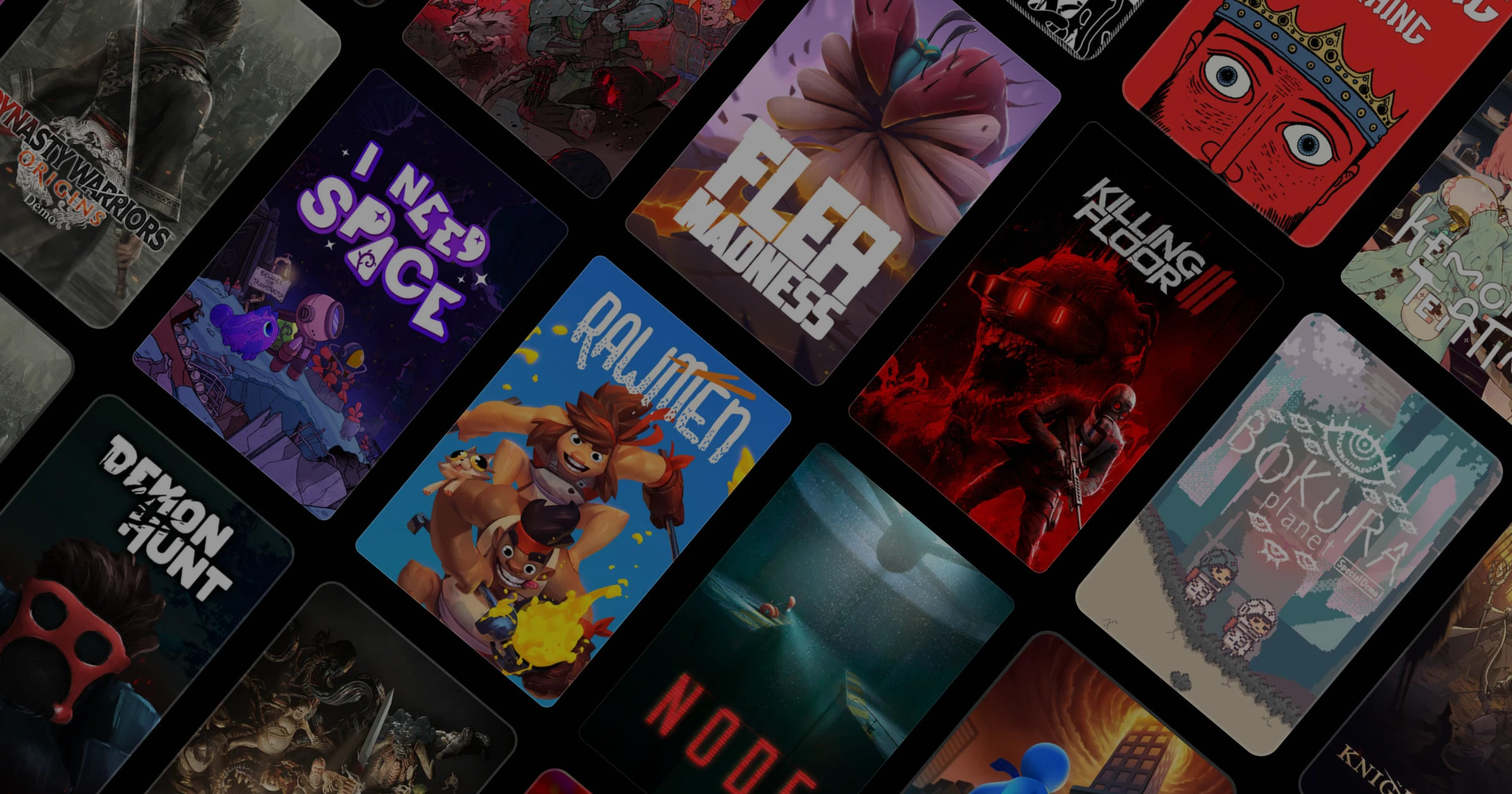
What makes a game a good fit
A capsule that reads clearly at small sizes, because that is where most players will see it first. A trailer that runs smoothly and shows the actual game. A store page with metadata that is accurate and descriptions written with care. A Steam depot history that reflects ongoing development, not a build that has been sitting unchanged for months. A team that is reachable and engaged, whether through direct submission, social presence, or devlogs.
These are the signals we look for, and none of them are unusual. Most developers who take their launch seriously already meet them. When they come together, a game is usually a straightforward yes.
What we do not list
A few categories sit outside the scope of the platform. Crypto and NFT games. Games whose entire premise is explicit sexual content. Games that have already released. Games without a Steam page, a playable demo or active playtest, or an English option for dialogue or subtitles. Mature themes are fine when they are part of a larger work.
Our approach to AI-generated content is measured rather than absolute. Auxiliary uses in non-essential places are generally acceptable. For the surfaces a player uses to recognize a game (capsules, logos, and key art) we expect the work to come from the team behind it. Those first impressions carry too much weight to be left to anything else.
How a listing is built
Developers do not publish listings on Playtester. We build them. Once a game clears review, we standardize the metadata, choose and order the media, write a clean short description, and verify that every link works. The structure has to be consistent across thousands of games for browsing to feel calm rather than noisy.
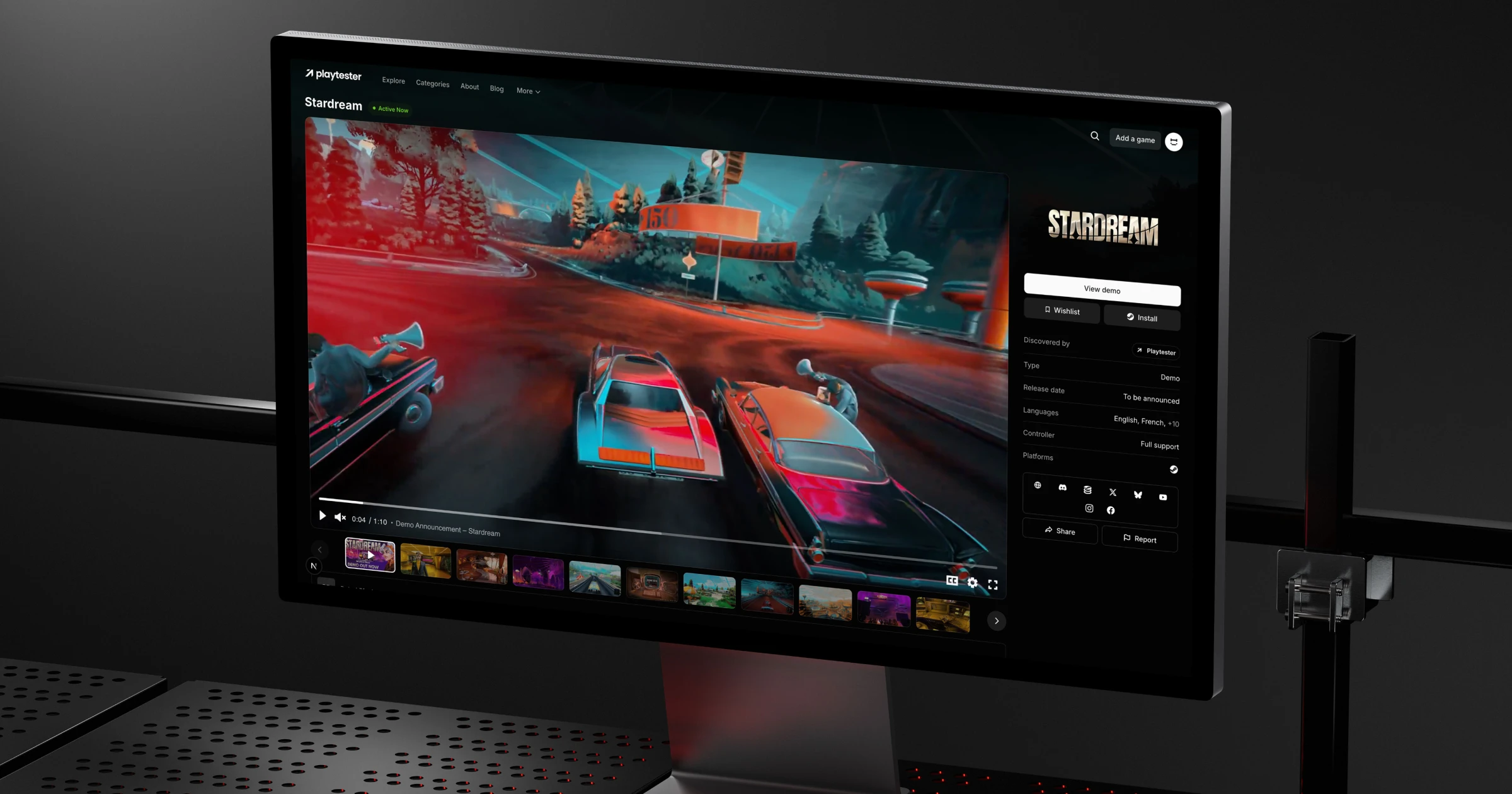
This is the slowest part of the process and the part most platforms skip. It is also the part players feel most directly, even if they never think about it.
Why curation is the product
There are faster ways to run a discovery platform. Open submissions, automated ingestion, and engagement-driven ranking would all let us list more games with less effort. They would also produce a different kind of feed, larger, louder, and harder to trust.
When a player opens Playtester, the implicit promise is that someone has already done the work of looking. Every game on the page is there because it earned a spot, and the bar is the reason the platform is worth returning to. Curation is not a finishing layer on top of discovery. It is the product.
